Szechuan Noodles with Shrimp
Highlighted under: Wanderlust Dinner Recipes
I’ve always been a huge fan of Szechuan cuisine, especially the bold flavors that come together in dishes like these Szechuan Noodles with Shrimp. After experimenting with different spice blends and cooking methods, I found that a combination of garlic, ginger, and chili paste creates the perfect balance of heat and flavor. This dish is not only quick to prepare but also a delightful way to impress guests with authentic Szechuan tastes that are sure to ignite your taste buds.
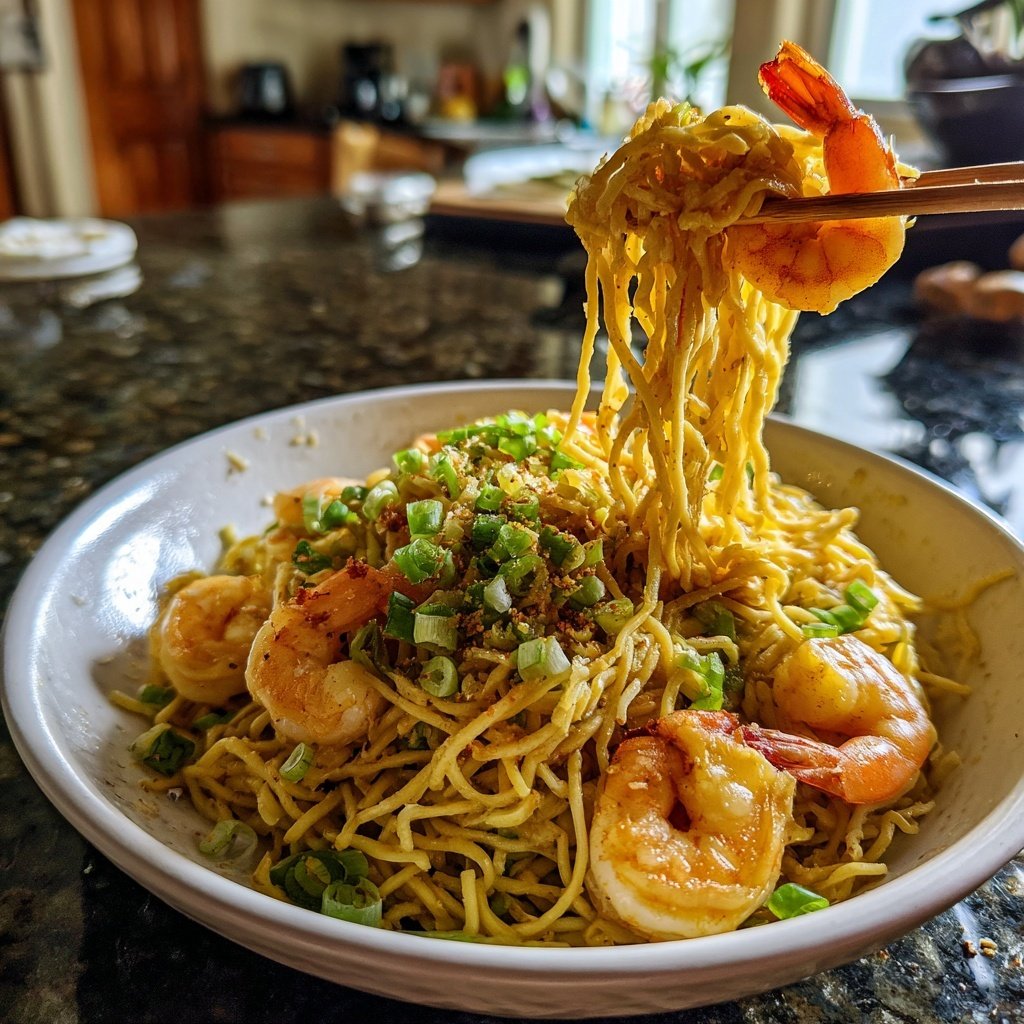
Creating Szechuan Noodles with Shrimp was an adventure I truly enjoyed. The process of blending spices to achieve that signature kick of flavor taught me the importance of balance in seasoning. I started off by sautéing garlic and ginger to release their aromatic essence, then mixed in my choice of chilies to ensure the heat level was just right for our guests who enjoy spicy food.
One tip I discovered is that using fresh shrimp rather than frozen makes a world of difference in texture and taste. It cooks quickly and absorbs the incredible flavors of the Szechuan sauce, elevating the dish to a whole new level. Each bite bursts with flavor, making it a perfect weekday meal or a special treat for friends.
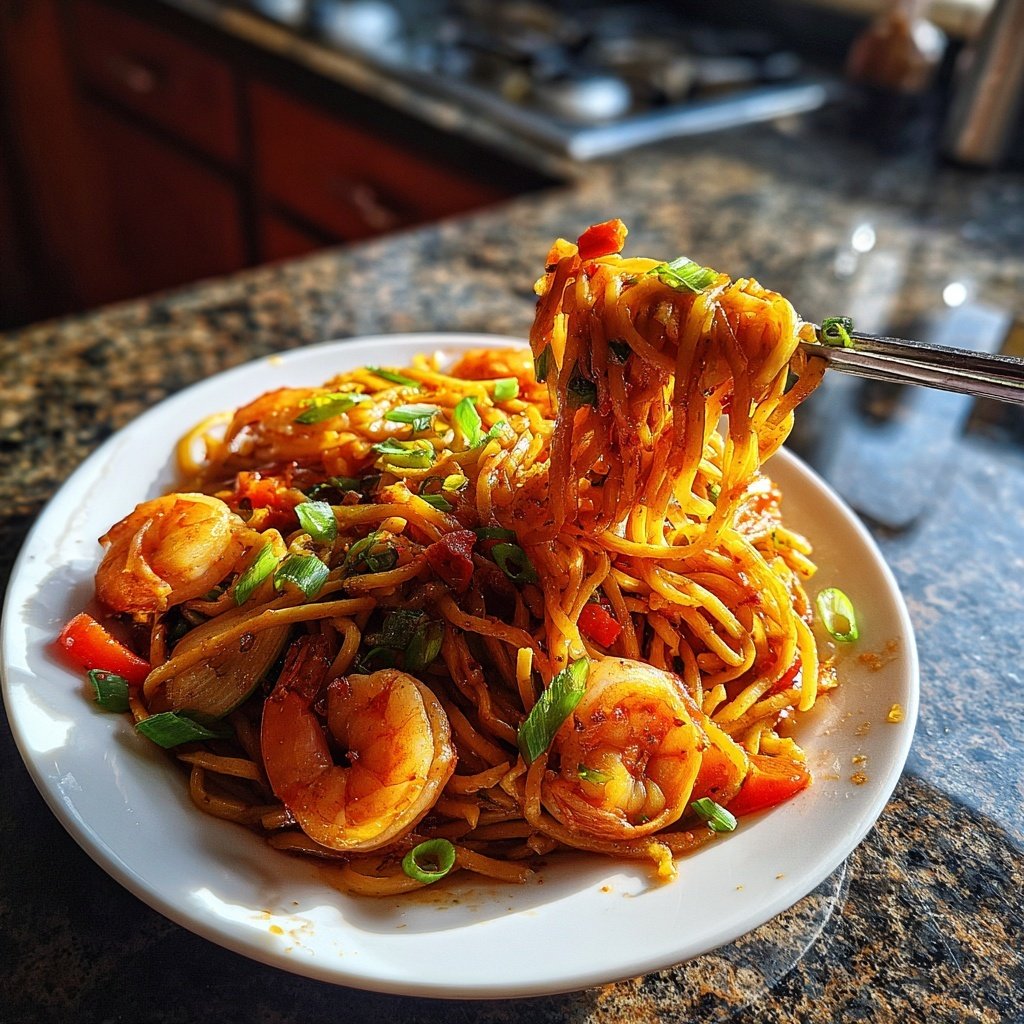
Why You Will Love This Recipe
- Explosively bold Szechuan flavors that awaken your taste buds
- Quick and easy to prepare, perfect for busy weeknights
- Fresh shrimp that add a delightful texture and complement the noodles perfectly
Mastering Szechuan Noodles
Cooking Szechuan noodles perfectly is essential for achieving the right texture in this dish. Aim for al dente noodles, which gives them a firm bite that contrasts nicely with the tender shrimp and crisp vegetables. Cooking times can vary by brand, so keep an eye on them and taste test at the lower end of the suggested cooking times. Draining the noodles adequately is crucial; any excess water can result in a soggy dish.
Using the right oil also enhances the dish's overall flavor. Vegetable oil is recommended for sautéing, as it has a high smoke point and allows the garlic and ginger to infuse their flavors without burning. Ensure your oil is hot before adding aromatics—this should be done at medium heat. If you notice the garlic starting to brown too quickly, reduce your heat to prevent bitterness from developing.
Perfectly Cooked Shrimp
Cooking shrimp is straightforward, but timing is key. You’ll want to place the shrimp in the skillet only after the vegetables are tender, as they require minimal cooking time. Watch for a color change: shrimp will turn pink and opaque, usually within 2–3 minutes. Overcooking can lead to rubbery shrimp, so remove them immediately from the heat once done. If you’re using frozen shrimp, ensure they are fully thawed and patted dry to prevent excess moisture in the pan.
Freshness of shrimp can greatly affect your dish. If possible, source shrimp from a local fishmonger or an established seafood department. Look for shrimp with a mild smell, firm texture, and a shiny appearance—these are indicators of freshness. If fresh shrimp aren’t available, consider using high-quality frozen shrimp that have been properly thawed before cooking.
Serving Suggestions and Variations
For an authentic Szechuan experience, consider serving the noodles with additional toppings aside from green onions and coriander. Toasted sesame seeds or crushed peanuts can provide a delightful crunch, while a drizzle of chili oil can elevate the dish's heat further. Pair it with a side of pickled vegetables to contrast the bold flavors and add a refreshing bite.
If you're looking to vary this recipe, feel free to substitute the shrimp with another protein like chicken, tofu, or even mushrooms for a vegetarian option. They should be cut into bite-sized pieces and cooked similarly to shrimp. Including additional spices, such as a touch of Chinese five-spice powder, can introduce another layer of complexity while still celebrating the essence of Szechuan cuisine.
Ingredients
For the Noodles and Shrimp
- 200g Szechuan noodles
- 300g fresh shrimp, peeled and deveined
- 1 tablespoon vegetable oil
- 2 cloves garlic, minced
- 1 inch ginger, grated
- 2 tablespoons Szechuan chili paste
- 1 tablespoon soy sauce
- 1 teaspoon sesame oil
- 1 green onion, chopped for garnish
- Coriander leaves for garnish
For Vegetables
- 1 bell pepper, sliced
- 1 carrot, julienned
- 1 cup bean sprouts
Instructions
Cook the Noodles
In a large pot of boiling salted water, cook the Szechuan noodles according to package instructions until al dente. Drain and set aside.
Sauté the Vegetables
In a large skillet, heat vegetable oil over medium heat. Add minced garlic and grated ginger, sauté for about 1 minute until fragrant. Add bell pepper, carrot, and bean sprouts, cooking for another 3-4 minutes.
Cook the Shrimp
Push the vegetables to one side of the skillet and add shrimp to the other side. Cook for 2-3 minutes until they turn pink and opaque.
Combine and Season
Add the cooked noodles to the skillet along with Szechuan chili paste, soy sauce, and sesame oil. Toss everything together until well combined and heated through.
Serve
Garnish with chopped green onions and coriander leaves before serving hot.
Pro Tips
- Adjust the amount of chili paste based on your spice tolerance. Adding a touch of sugar can also balance the heat if desired.
Make-Ahead Tips
If you're short on time, the components of this dish can be prepared in advance. You can cook the noodles and vegetables the day before and store them separately in airtight containers in the refrigerator. On cooking day, simply heat them together with the shrimp and sauce in a skillet until warmed through. This method maintains the dish's texture and ensures you have a quick meal ready in no time.
For longer storage, consider freezing the cooked noodles and vegetables in portioned bags. Reheat them in boiling water or in a microwave, but remember to add fresh shrimp or proteins when you reheat to avoid a rubbery texture. This focusing on the noodle integrity allows for a fresh meal despite the convenience of prep.
Troubleshooting Common Issues
If your Szechuan noodles come out too watery, it’s likely due to overcooking or not draining adequately. Make sure to follow the cooking times closely and drain thoroughly. Another tip is to cook the noodles separately and then toss them with the sauce to avoid excess moisture from the vegetables.
For more spice, you can adjust the amount of Szechuan chili paste to match your heat preference. If you find it too spicy, adding a touch of sugar can help balance the heat. Additionally, taste your dish before serving; this allows you to adjust seasoning for a perfect flavor profile.
Scaling Up or Down
This recipe is quite flexible in terms of portioning. For larger gatherings, simply multiply the ingredients while maintaining the same cooking techniques. Just ensure that your skillet has enough space for even cooking—consider using a larger pan or cooking in batches to avoid overcrowding.
If you're cooking for one or two, this recipe can easily be halved. Just be mindful that cooking times may vary slightly as smaller portions can cook quicker. Always taste along the way to ensure the flavors remain balanced, no matter the size of your batch.
Questions About Recipes
→ Can I use other types of noodles?
Yes, you can use any type of noodle that you prefer, such as ramen or udon. Adjust cooking time accordingly.
→ Is this dish gluten-free?
To make it gluten-free, use gluten-free noodles and check the soy sauce for a gluten-free option.
→ What vegetables can I add?
Feel free to add any vegetables you enjoy, such as broccoli, zucchini, or snap peas.
→ Can I make it vegetarian?
Yes, just omit the shrimp and replace it with tofu or additional vegetables for a tasty vegetarian version.
Szechuan Noodles with Shrimp
Created by: The Dishpark Team
Recipe Type: Wanderlust Dinner Recipes
Skill Level: Intermediate
Final Quantity: 4 servings
What You'll Need
For the Noodles and Shrimp
- 200g Szechuan noodles
- 300g fresh shrimp, peeled and deveined
- 1 tablespoon vegetable oil
- 2 cloves garlic, minced
- 1 inch ginger, grated
- 2 tablespoons Szechuan chili paste
- 1 tablespoon soy sauce
- 1 teaspoon sesame oil
- 1 green onion, chopped for garnish
- Coriander leaves for garnish
For Vegetables
- 1 bell pepper, sliced
- 1 carrot, julienned
- 1 cup bean sprouts
How-To Steps
In a large pot of boiling salted water, cook the Szechuan noodles according to package instructions until al dente. Drain and set aside.
In a large skillet, heat vegetable oil over medium heat. Add minced garlic and grated ginger, sauté for about 1 minute until fragrant. Add bell pepper, carrot, and bean sprouts, cooking for another 3-4 minutes.
Push the vegetables to one side of the skillet and add shrimp to the other side. Cook for 2-3 minutes until they turn pink and opaque.
Add the cooked noodles to the skillet along with Szechuan chili paste, soy sauce, and sesame oil. Toss everything together until well combined and heated through.
Garnish with chopped green onions and coriander leaves before serving hot.
Extra Tips
- Adjust the amount of chili paste based on your spice tolerance. Adding a touch of sugar can also balance the heat if desired.
Nutritional Breakdown (Per Serving)
- Calories: 450 kcal
- Total Fat: 12g
- Saturated Fat: 2g
- Cholesterol: 120mg
- Sodium: 720mg
- Total Carbohydrates: 56g
- Dietary Fiber: 4g
- Sugars: 5g
- Protein: 20g